Lewiston
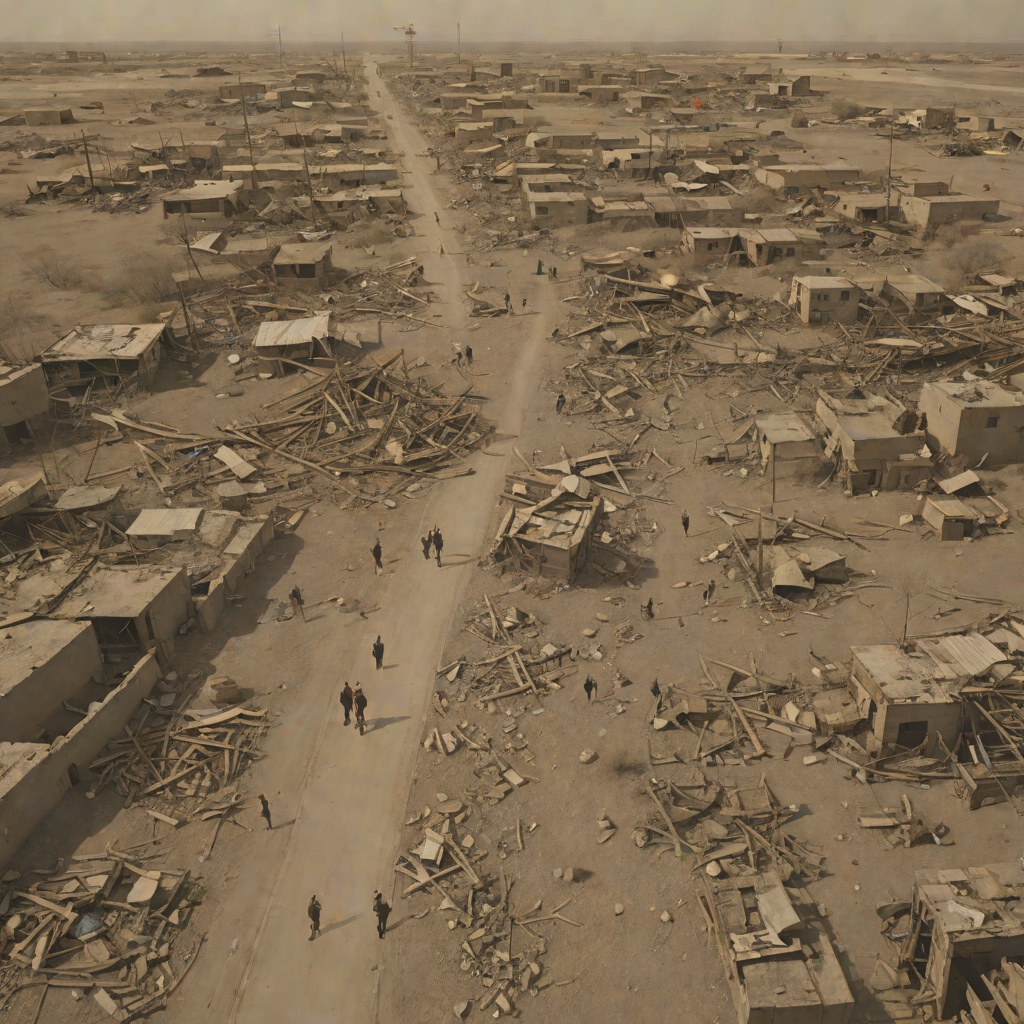
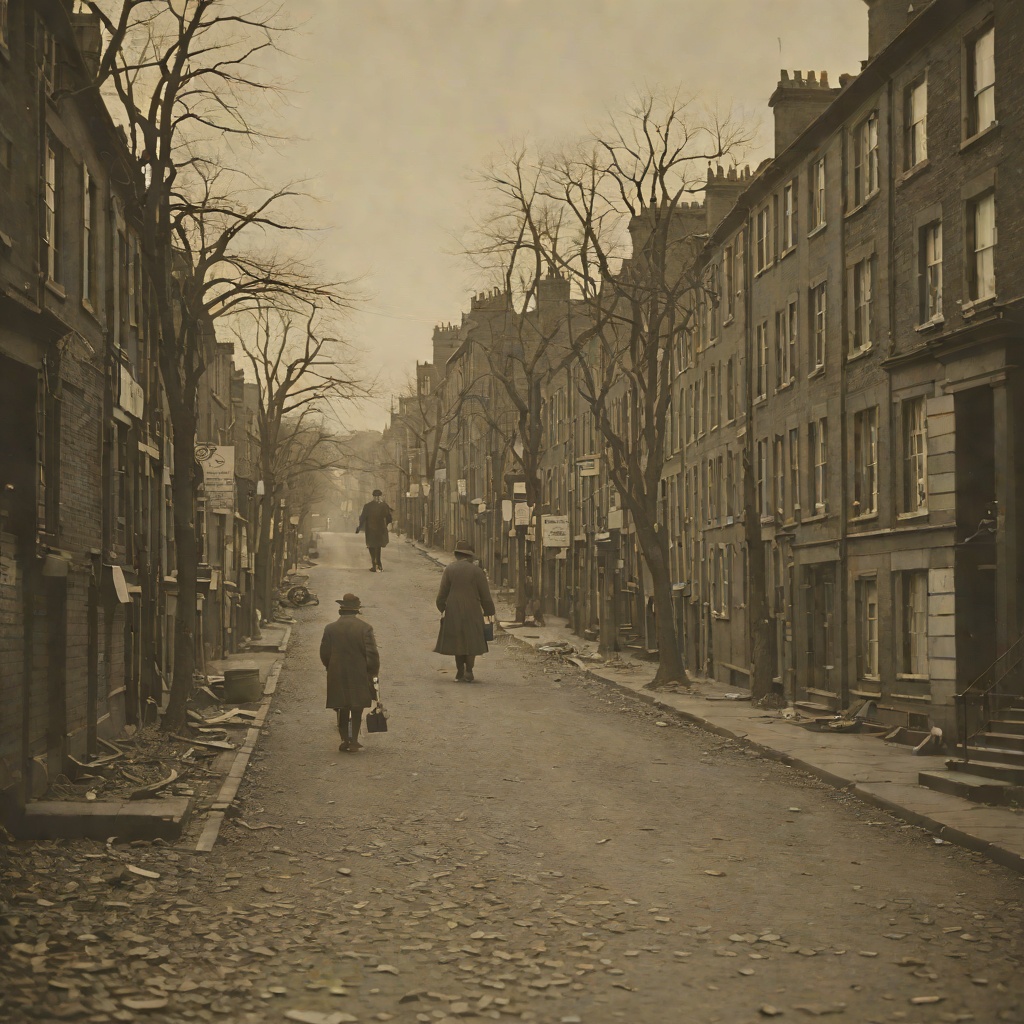
The Long WalkLewiston is a major inland waypoint on the Long Walk route and the point at which the journey’s physical and symbolic pressures converge. Ray Garraty identifies it as the second-biggest city in Maine, larger than Augusta, and anticipates passing directly through its main street, renamed Cotter Memorial Avenue after Reggie Cotter, the only Maine native said to have won the Long Walk. By the time the Walkers near the city, however, Lewiston is less a destination than a promise of continued exposure: signs, crowds, lights, and remembered death turn the urban passage into another test of whether a body can remain publicly functional.
Setting and Route
Lewiston appears late in the route, after a long, twisting hill and before the road continues toward Freeport. Garraty mentally reconstructs the course while walking: the Walkers will go down Route 196, then along Route 126 to Freeport, where the route joins U.S. 1. The city therefore serves as a definite transition in the geography of the event, not an isolated stop. Its position helps Garraty impose a sequence on a journey that otherwise dissolves into fatigue, pain, and repeated warnings. The city is also defined through comparison. Garraty recalls that Lewiston is larger than Augusta, making it a conspicuous urban center, yet his knowledge of it is practical rather than intimate: a main drag, an old street name, and the memorial name that now overlays it. The remembered route is already burdened with history. Even before the Walkers enter the city, its civic space has been converted into a record of the Long Walk’s dead and winners.
Approaching the City
The first clear sign of Lewiston is numerical and commercial: a roadside marker announces that the city is thirty-two miles away, followed a mile later by an arched electric sign spelling out Garraty’s name and number in lightbulbs. The signs transform distance into spectacle and Garraty into a public image. He is not merely approaching a city; he is being announced to it, with the route’s deadly competition translated into illuminated promotion. That spectacle is inseparable from the surrounding crowd. Earlier sections of the route have already shown spectators holding signs for Garraty, calling him Maine’s Own, while television crews, lights, microphones, electric cable, banners, and flashbulbs repeatedly frame the Walkers as a consumable public event. The approach to Lewiston intensifies this pattern. The city’s name becomes part of a chain of signs in which place, contestant, and entertainment are difficult to separate.
Public Exposure and Bodily Breakdown
The Lewiston approach also brings the Walkers’ private bodily suffering into public view. Garraty is warned while trying to relieve himself, and an unseen or half-seen spectator calls attention to the “poor bastard” nearby. Pointing fingers and flashbulbs make the scene a performance of humiliation rather than a private necessity. His body, already exhausted and painful, is treated as material for the crowd’s gaze. This moment extends a recurring contrast along the route. The Walkers are displayed as heroic competitors through slogans, applause, and electric lettering, but the same public apparatus exposes their weakness: sweat, wounds, lost shoes, spasms, and loss of control. Lewiston’s significance lies partly in this collision between civic welcome and enforced visibility. The city does not offer relief from the Long Walk’s violence; it provides a more elaborate stage on which that violence can be seen.
Cotter Memorial Avenue and Historical Memory
Garraty’s account of the city’s main street centers on its renaming as Cotter Memorial Avenue. Reggie Cotter was the only contestant from Maine to win the Long Walk, but his victory is inseparable from its cost. Garraty remembers that Cotter hemorrhaged in one eye, completed the Walk half-blind, was found to have a blood clot on his brain, and died about a week afterward. The memory changes the meaning of Lewiston’s civic honor. Cotter’s name appears to memorialize achievement, yet the achievement is also a delayed death sentence. The avenue therefore turns local pride into an inscription of institutional violence: a winner is commemorated not because the event spared him, but because he endured it long enough to be declared victorious. Garraty repeats that it happened a long time ago, a weak attempt to distance the present Walk from the earlier death while simultaneously recognizing that the same structure remains in force.
Narrative Significance
Lewiston functions as a threshold between remembered regional belonging and the increasingly impersonal machinery of the event. Garraty can still locate himself within Maine through the city’s scale, its French-speaking regional identity, and the figure of Cotter, yet the route ahead leads toward Freeport, where he expects to see his mother and Jan. The city thus gathers past and future: Cotter’s fatal victory behind him, the hoped-for reunion ahead, and the present body moving between them. Its signs and memorial name also expose the irony of the Long Walk’s public culture. The contest is presented through civic congratulations, television attention, cheering crowds, and personal branding, but its most durable local monument commemorates a man who died shortly after winning. Lewiston makes that contradiction legible: public celebration does not oppose death in this world; it organizes death into memory, spectacle, and civic identity.